

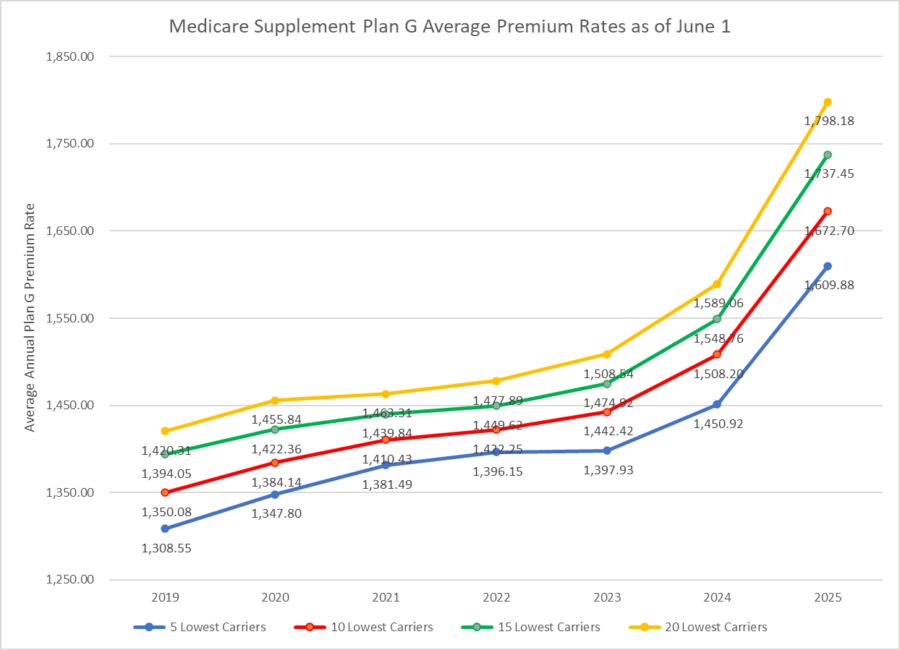
Supplemental Medicare coverage has grown in importance as healthcare utilization patterns continue to evolve. For beneficiaries seeking structured, predictable protection, Medicare Plan G 2027 represents one of the most data-supported choices available in the Medigap marketplace. Examining enrollment trends, coverage preferences, and beneficiary outcomes offers a clearer picture of why Plan G consistently ranks among the most selected Medigap options.
Why Are More Medicare Beneficiaries Choosing Plan G Over Other Medigap Plans?
Since the discontinuation of Plan F for new Medicare enrollees in 2020, Plan G has emerged as the leading comprehensive Medigap option. Enrollment in Plan G has trended upward year over year, reflecting growing beneficiary awareness and advisor recommendations. The plan’s near-complete coverage of out-of-pocket costs — aside from the Part B deductible — gives it a clear structural advantage over more limited alternatives.
What Do Enrollment Trends Reveal About Plan G’s Popularity?
Medigap enrollment data consistently shows that Plan G attracts a high proportion of newly eligible Medicare beneficiaries each year. Key trends include:
A steady increase in Plan G selections among adults enrolling at 65
Strong retention rates, with the majority of Plan G enrollees keeping their plans long-term
Higher adoption rates in states with older average populations and greater rural healthcare needs
Growing interest among adults under 65 who qualify for Medicare through disability, where state rules permit enrollment
These patterns reflect a broad recognition that Plan G’s coverage structure aligns well with the realities of modern healthcare use.
How Does Plan G Perform in Terms of Beneficiary Satisfaction?
Surveys of Medicare supplement insurance holders routinely place Plan G among the highest-rated plans for overall satisfaction. Beneficiaries most frequently cite the following reasons for their satisfaction:
Reduced surprise medical bills
Freedom to choose any Medicare-accepting provider
Straightforward coverage terms with minimal exclusions
Stability of coverage from year to year
Healthcare advisors note that beneficiaries who enroll in Plan G during their Open Enrollment Period — and therefore face no underwriting — report particularly high satisfaction with their decision.
What Coverage Gaps Does Plan G Address Most Effectively?
Data on Medicare cost-sharing highlights several areas where out-of-pocket exposure can be significant without supplemental coverage:
Hospital stays: Extended inpatient stays generate substantial coinsurance after the initial coverage period
Skilled nursing facility care: Daily coinsurance for extended SNF stays can accumulate quickly
Multiple Part A admissions: Beneficiaries admitted to a hospital more than once per year face separate deductibles for each benefit period
Foreign travel emergencies: Original Medicare provides no international coverage; Plan G fills this gap up to plan limits
Plan G addresses each of these areas, reducing the financial unpredictability that can otherwise accompany serious illness or injury.
How Do State-Level Enrollment Patterns Differ for Plan G in 2027?
Medigap enrollment patterns vary notably by state, influenced by:
State insurance regulations: Some states have additional consumer protections that affect plan availability and pricing
Healthcare infrastructure: Areas with higher concentrations of specialists tend to see stronger supplemental coverage uptake
Income demographics: States with higher average incomes often show stronger Medigap enrollment overall
Insurer competition: States with more active Medigap markets typically offer more competitive premium options
Understanding how your state’s landscape affects Plan G availability and pricing is an important part of the enrollment decision.
What Should Beneficiaries Monitor as 2027 Approaches?
Staying informed about Medigap policy updates, premium adjustment trends, and any regulatory changes at the state or federal level is advisable. Official resources including Medicare.gov and your State Health Insurance Assistance Program (SHIP) provide free, unbiased guidance for beneficiaries at any stage of the decision process.
The Bottom Line on Plan G for 2027
The data consistently supports Plan G as a strong, reliable Medigap option for new Medicare beneficiaries. Its coverage breadth, provider flexibility, and track record of beneficiary satisfaction make it a plan worth examining closely — particularly for those entering Medicare enrollment for the first time in 2027.
 Jessica Murphy