

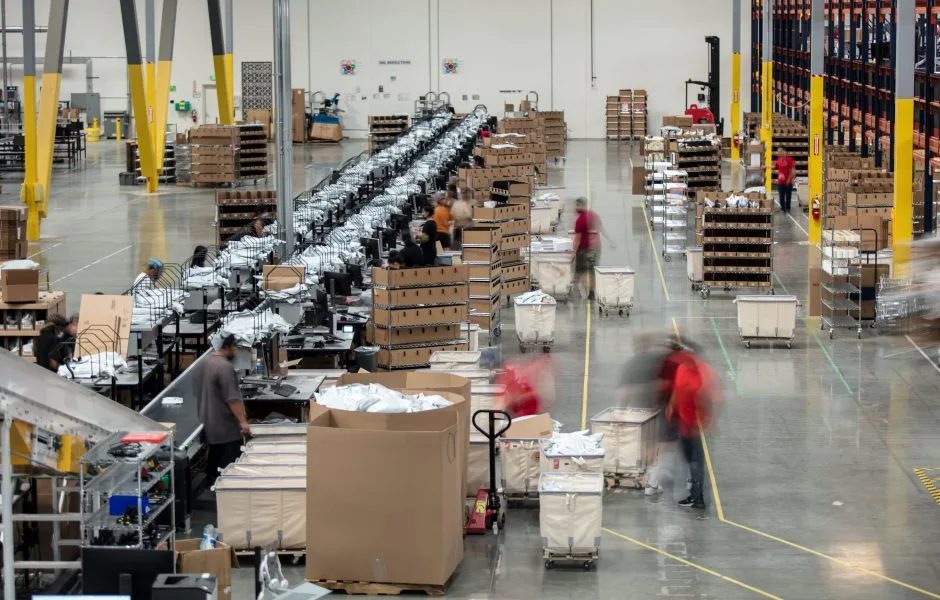
Running a successful ecommerce business requires a deep understanding of how order fulfillment works. One of the most important parts of this process is the ecommerce fulfillment center, where products are stored, packed, and shipped to customers after an order is placed. Even if you plan to outsource fulfillment to a third-party logistics provider, knowing the key components of the ecommerce fulfillment process will help you make informed decisions about structuring your supply chain for efficiency and growth. This guide explains the essential elements of ecommerce fulfillment, explores different fulfillment strategies, and highlights options to help determine the best approach for your business.
Understanding Ecommerce Fulfillment
Ecommerce fulfillment is the process of receiving, storing, processing, and shipping online orders to customers efficiently. While order fulfillment broadly refers to fulfilling any type of order, ecommerce fulfillment focuses specifically on online orders placed through digital platforms and shopping carts. The steps of ecommerce fulfillment include receiving inventory, storing products, processing orders, picking and packing items, shipping, and managing returns. Each step is designed to ensure that customers receive their orders quickly and accurately while maintaining cost-effective operations.
Receiving Inventory
The first step in ecommerce fulfillment is receiving inventory from suppliers or manufacturers. Each shipment must be counted to verify that the quantity matches the purchase order. Inventory is then inspected for damage, logged into an inventory management system, and labeled with SKU codes if necessary. Properly managing this step ensures accurate stock levels, reduces errors, and sets the stage for an efficient fulfillment process.
Storing Products
Once received, inventory must be stored in an organized manner. Proper warehousing is critical, whether it is in a small space at home or a large warehouse. Products can be stored on shelves, pallets, or bins depending on available space and inventory volume. Efficient storage organization supports effective picking operations, minimizes delays, and reduces the risk of order errors.
Processing Orders
After inventory is stored, incoming orders must be processed. This involves retrieving the ordered products from storage, verifying each item for accuracy and quality, and preparing the order for packing. Depending on the scale of operations, order processing can occur at a small workstation or a dedicated packing station in a warehouse. Efficient processing ensures that orders are accurate, complete, and ready for timely shipment.
Shipping Orders
Shipping is a critical step in ecommerce fulfillment that directly impacts customer satisfaction. Determining the best shipping method involves considering package size, destination, and delivery speed. Orders are packed with necessary documentation, scanned for tracking, and prepared for dispatch. Fast and reliable shipping is essential to meet customer expectations, minimize costs, and maintain competitive advantage.
Managing Returns
Returns are an integral part of ecommerce fulfillment. Clear policies for returns must be established for both customers and internal teams. Customers should have easy-to-follow instructions on how to return products, while staff or fulfillment partners must handle returns efficiently to maintain inventory accuracy and ensure a smooth customer experience.
Choosing the Right Ecommerce Fulfillment Strategy
Every business has unique needs, making it important to choose a fulfillment strategy that aligns with order volume, product types, and growth goals. Smaller businesses with limited SKUs and order volumes may benefit from self-fulfillment, while growing companies might require third-party logistics to scale efficiently.
Self-Fulfillment
Self-fulfillment involves managing inventory, order processing, packing, and shipping in-house. This approach provides full control over fulfillment processes, including packaging and branding. It is often more cost-effective for small businesses but can become challenging to scale as order volumes increase.
Dropshipping
Dropshipping allows suppliers to handle inventory storage and order fulfillment directly. This strategy reduces upfront costs, as sellers do not need to purchase inventory until a sale is made. Dropshipping can extend selling capacity without increasing storage or staffing requirements, but it requires relinquishing control over the fulfillment process and delivery timelines.
Third-Party Logistics
Third-party logistics providers specialize in inventory management, order processing, and shipping. Outsourcing fulfillment to a 3PL can improve operational efficiency, reduce costs, and enable faster delivery to customers. A 3PL can also provide nationwide distribution, helping businesses reduce shipping times and scale effectively without the overhead of managing a warehouse and fulfillment staff.
Optimizing Technology for Fulfillment
Technology plays a critical role in ecommerce fulfillment. Inventory management systems, warehouse management software, and ecommerce integration tools streamline order processing, track stock levels, and improve accuracy. These systems enable businesses to manage multiple sales channels efficiently, reduce errors, and enhance the customer experience through faster and more reliable fulfillment.
Customer Location and Distribution
The location of your customers significantly affects fulfillment strategy. Shipping from multiple strategically located warehouses can reduce delivery times and costs. Distributing inventory across key regions allows for more cost-effective ground shipping and helps maintain high service levels, especially for businesses serving nationwide or international markets.
Final Thoughts on Ecommerce Fulfillment
Accurate and timely fulfillment is essential for any ecommerce business to succeed. Understanding the full order fulfillment process, adopting efficient workflows, and leveraging the right fulfillment strategy are key to maintaining customer satisfaction and staying competitive. Whether handling fulfillment in-house, using dropshipping, or partnering with a third-party logistics provider, a well-planned fulfillment operation ensures that orders reach customers quickly and reliably while supporting business growth.